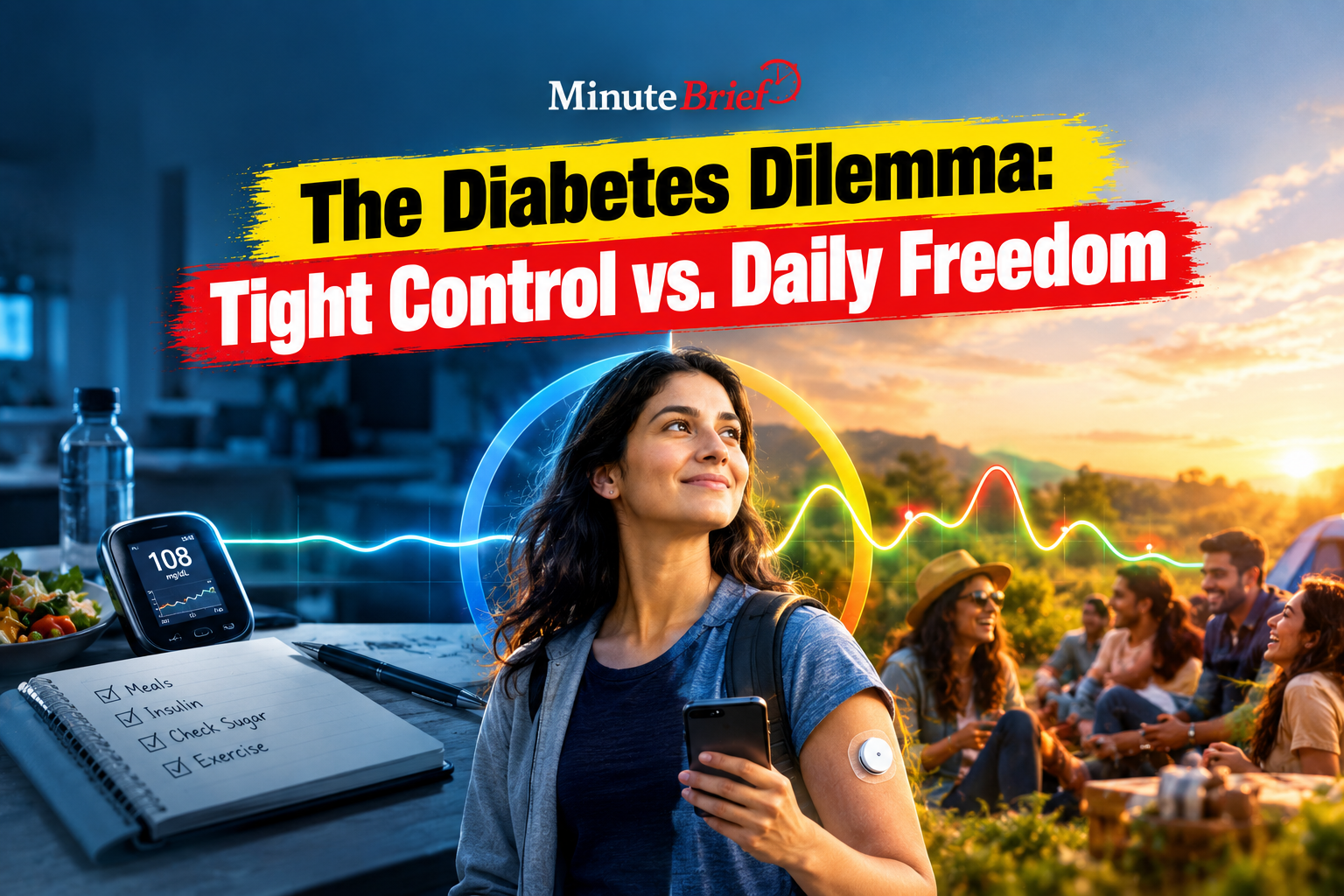
For people living with diabetes, maintaining steady blood sugar levels is a daily priority. However, new research presented at the Annual Meeting of the European Association for the Study of Diabetes suggests that trying to eliminate every minor spike and dip might do more harm than good to a person's daily well-being.
The study, led by Professor Dominic Ehrmann at FIDAM in Germany, found that while spending time in a safe glucose range improves mood and energy, permitting normal, safe fluctuations can actually lead to a better quality of life.
Inside the Study: Real-Time Tracking
Researchers analyzed data from 400 participants with type 1 and type 2 diabetes through the PRO-MENTAL study. To get a realistic picture of daily life, the team combined continuous glucose monitor (CGM) readings with daily surveys assessing:
- Mood, cheerfulness, and energy levels
- Sleep quality and stress
- Sense of calm and interest in daily activities
Participants tracked these metrics for 14 consecutive days using standardized WHO-5 quality-of-life assessments.
The Surprising Role of Natural Fluctuations
The results revealed two clear trends regarding how glucose levels impact next-day well-being:
- Target Range Helps: Spending more time within a healthy blood sugar range consistently predicted a better quality of life the next day.
- Fluctuations Aren't Always Bad: Experiencing greater-than-usual glucose variability—as long as it stayed within safe limits—was also linked to an improved quality of life the following day.
In contrast, glucose fluctuations during the same day had little direct effect on immediate quality of life, indicating that the mental and physical impact of diabetes management unfolds over time.
Why Strict Control Can Backfire
The study does not suggest that high or dangerously low blood sugar is beneficial. Instead, researchers point out that eliminating every routine fluctuation requires intense hyper-vigilance, strict meal constraints, and constant lifestyle corrections.
When people allow themselves a bit more flexibility, they may experience minor glucose swings, but they gain freedom to enjoy social events, spontaneous meals, and regular daily activities without the heavy cognitive load of micro-managing their condition.