Scientists at Cedars-Sinai have uncovered a potential breakthrough in the fight against severe liver disease. A recent preclinical study published in Nature Metabolism highlights an enzyme named UBE2N that appears to serve as a natural defense mechanism, preventing common fatty liver conditions from progressing into life-threatening damage.
The Growing Threat: MASLD and MASH
Metabolic dysfunction-associated steatotic liver disease (MASLD)—formerly known as nonalcoholic fatty liver disease—affects an estimated 100 million people in the United States.
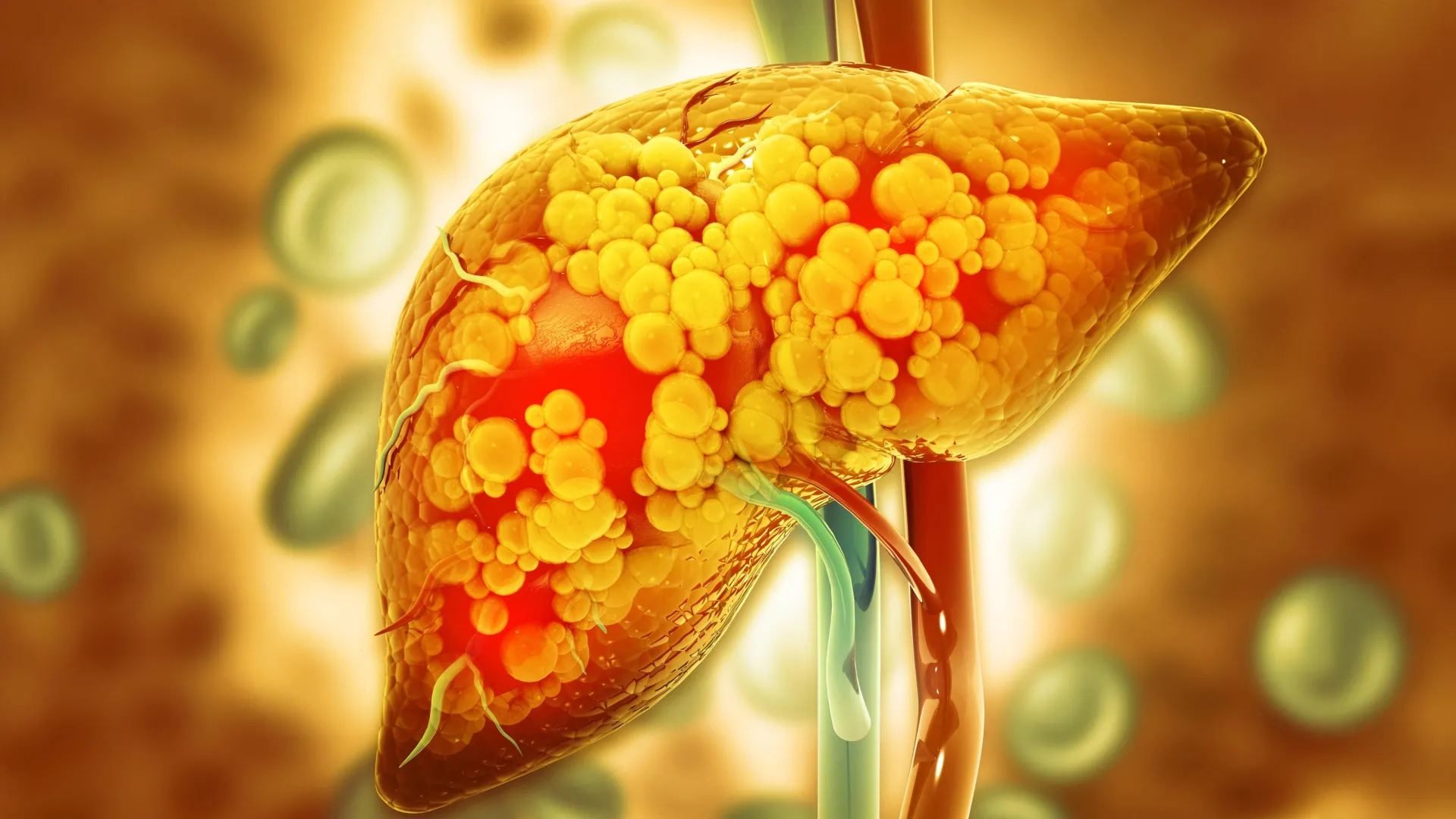
While early-stage fatty liver disease can often be managed, approximately 20% to 25% of cases progress to MASH (metabolic dysfunction-associated steatohepatitis). MASH is a far more dangerous condition where excess liver fat triggers:
- Chronic Inflammation: Continuous swelling and cellular stress in liver tissue.
- Cell Injury & Death: Damage to healthy liver cells over time.
- Scarring (Fibrosis): Tissue stiffening that can eventually lead to liver failure or cirrhosis.
Currently, treatment for MASH remains limited, focusing primarily on lifestyle modifications, weight management, and efforts to minimize further injury. There is currently no cure.
How UBE2N Protects the Liver
Researchers co-led by Dr. Ekihiro Seki at Cedars-Sinai discovered that levels of the UBE2N enzyme drop significantly as liver disease becomes more advanced.
Under normal conditions, UBE2N performs two crucial functions to keep liver cells healthy:
- Clearing Damaged Mitochondria: Mitochondria are the energy powerhouses of cells. When they break down, they release harmful substances that cause inflammation. UBE2N helps the cell clear away these damaged components before they cause harm.
- Breaking Down Fat: The enzyme aids in processing excess fat stored within liver cells, preventing buildup.
When UBE2N levels decline, damaged mitochondria accumulate and fat builds up, accelerating the transition from mild fatty liver disease to severe MASH.
Reversing the Damage in Preclinical Trials
To test their findings, researchers restored normal levels of the UBE2N enzyme in the livers of laboratory mice suffering from liver disease. The results were promising:
- Reduced Fat Accumulation: Liver cells processed fat more efficiently.
- Lowered Inflammation: Cellular stress and tissue swelling dropped noticeably.
- Decreased Scarring: Tissue damage and scarring were significantly reduced.
What’s Next?
While these results stem from preclinical mouse models, the discovery opens a critical new pathway for human medicine. Therapies designed to enhance or restore UBE2N activity could complement existing medications, giving doctors a way to stop fatty liver disease before it leads to irreversible liver damage.