Eating dietary fiber does a lot more than just keep your digestion moving—it helps your gut bacteria build a lasting shield against disease.
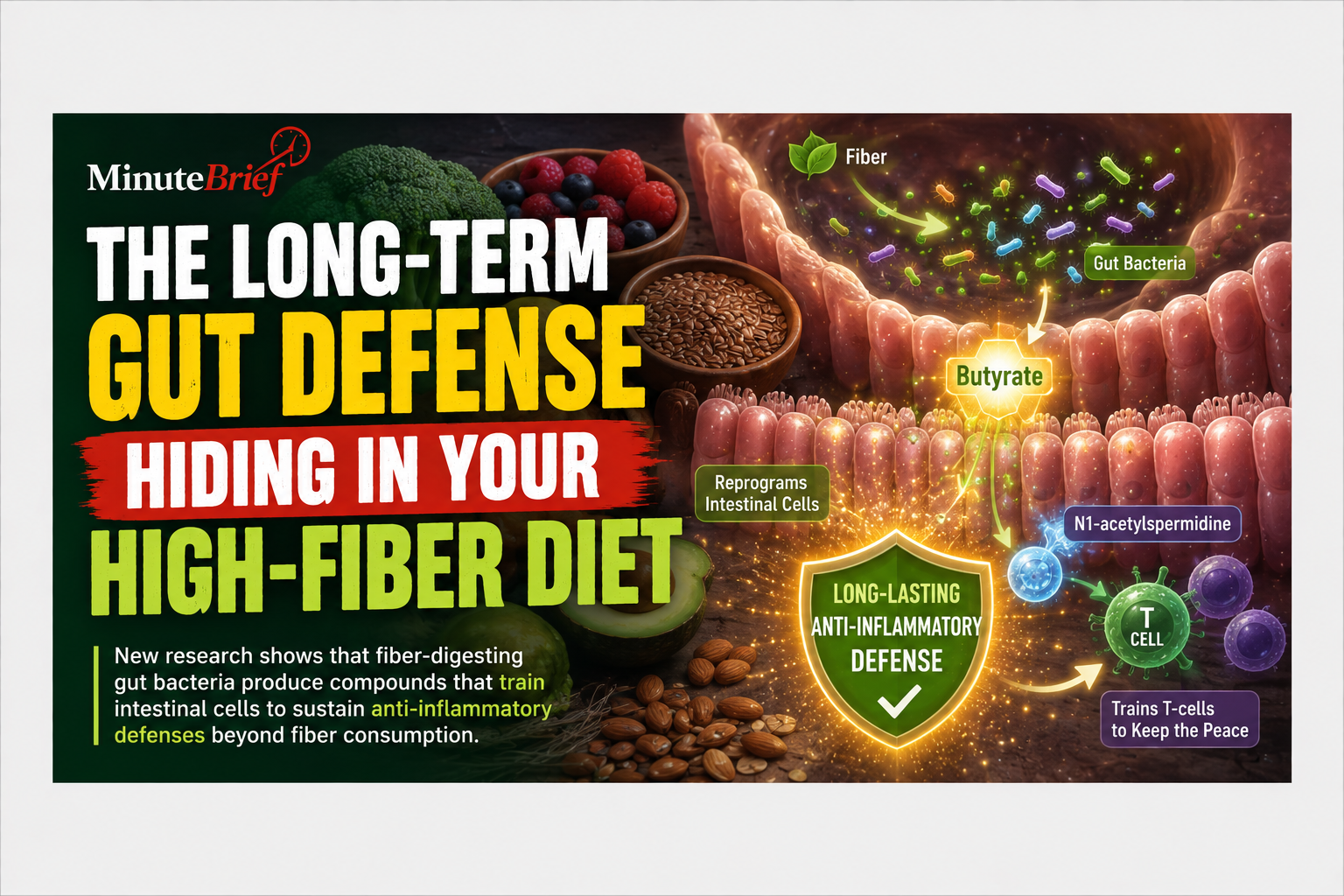
According to new research from Northwestern Medicine published in Nature Communications, a compound produced when gut microbes digest fiber can reprogram the cells lining your intestine, training them to fight inflammation long after the fiber is gone.
How Your Gut Builds a Lasting Defense
- Beyond Quick Relief: As gut bacteria break down fiber, they create short-chain fatty acids like butyrate. Rather than just providing temporary relief, butyrate leaves a permanent protective mark on the intestinal lining.
- Enduring Protection: In animal models, mice exposed to butyrate maintained high levels of an anti-inflammatory immune molecule (IL-10) weeks after treatment ended, making them far more resistant to colitis.
- A Cellular "Training" Program: Butyrate reprograms gut lining cells to continuously produce a compound called N1-acetylspermidine, which instructs immune T-cells to keep the peace in the gut.
Why It Matters
Instead of acting as a simple physical barrier, your intestinal lining actively stores a biological record of healthy signals from your diet. This discovery could open the door to new therapies for chronic inflammatory bowel diseases like Crohn's and ulcerative colitis.
Source: Science Daily